
Explore
*
Explore *
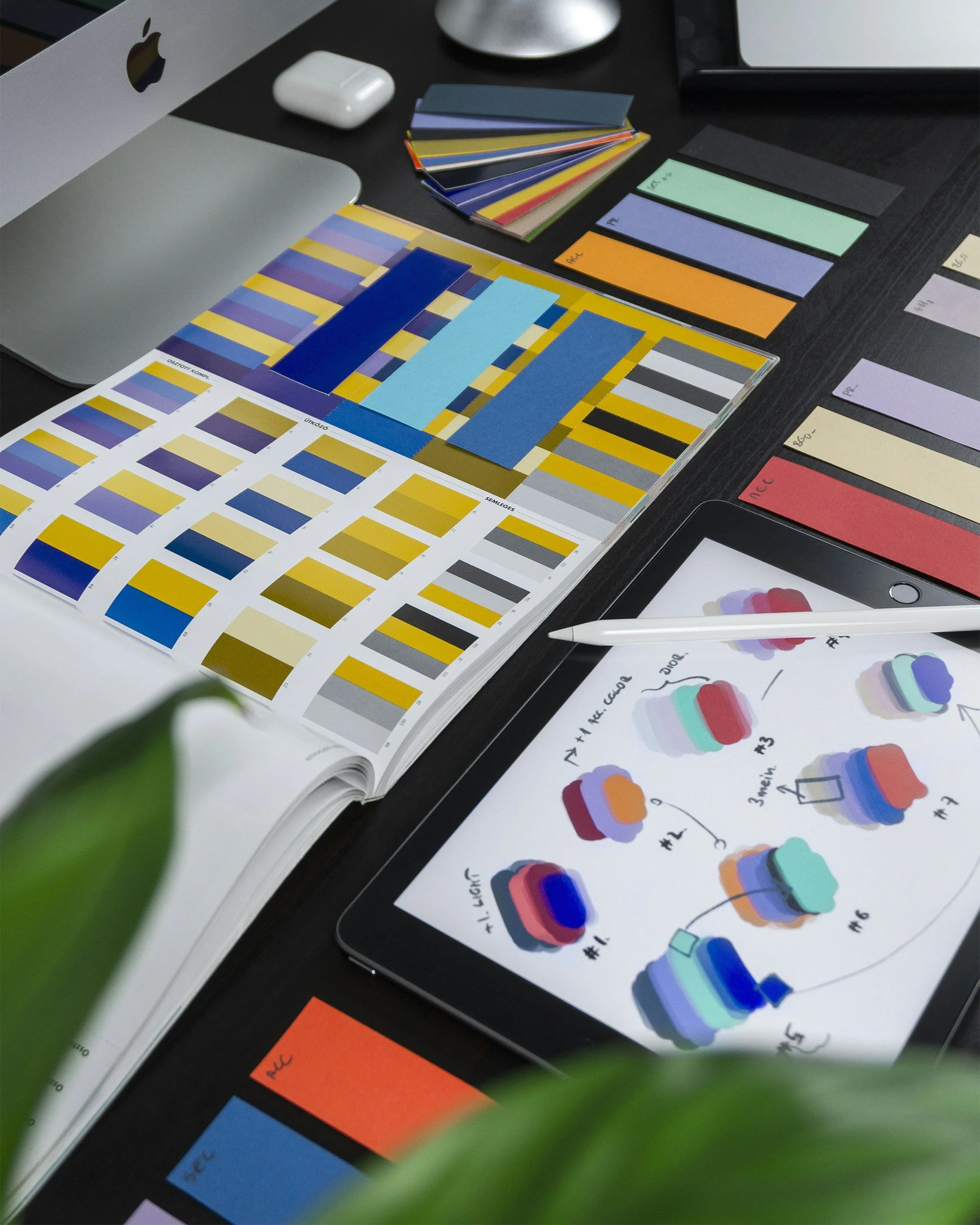
Not sure where to start? Start here.
Whether you're figuring out what you want to study, wondering where it could take you or trying to understand how creative applications actually work, we've put it all in one place.
Find Your Creative Field
You know you're creative. But creative how?
Liking art, design or making things doesn't mean there's only one path for you. Explore different creative disciplines, what studying them actually looks like and where they could take you.
-
What is it?
A practice-led field focused on developing ideas and expressing them through mediums such as painting, sculpture, installation, print, photography and mixed media.What will I study?
Studio practice, experimentation, art history and theory, research, critical thinking and developing your own artistic practice.Where could it take me?
Fine artist, curator, art director, gallery professional, arts educator, creative producer and other roles across the cultural and creative industries.
-
What is it?
A broad creative field spanning clothing, textiles, image-making, communication, styling and the culture surrounding fashion.What will I study?
Depending on your course: garment design, textiles, illustration, construction, styling, photography, branding, communication or fashion theory.Where could it take me?
Fashion designer, textile designer, stylist, fashion communicator, creative director, fashion photographer, buyer or brand creative.
-
What is it?
Designing surfaces, materials and fabrics through colour, pattern, texture and material experimentation.What will I study?
Print, weave, knit, embroidery, pattern, colour, materials, digital processes and experimental textile techniques.Where could it take me?
Textile designer, print designer, surface designer, material designer, colour designer or roles across fashion, interiors and product design.
-
What is it?
Communicating ideas, stories and concepts through drawing and image-making across print, digital and moving formats.What will I study?
Drawing, image-making, narrative, visual research, print, digital illustration, experimentation and developing your own visual language.Where could it take me?
Illustrator, editorial illustrator, children's book illustrator, concept artist, storyboard artist, visual development artist or independent creative.
-
What is it?
Using visual communication to turn ideas and information into something people can understand, experience or interact with.What will I study?
Typography, branding, editorial design, image-making, digital design, visual systems, motion and creative concept development.Where could it take me?
Graphic designer, brand designer, art director, editorial designer, motion designer, creative director or visual designer.
-
What is it?
Using moving image, sound and storytelling to create films, content and visual experiences.What will I study?
Filmmaking, directing, cinematography, editing, screenwriting, sound, production and visual storytelling.Where could it take me?
Director, filmmaker, editor, producer, cinematographer, screenwriter, content creator or creative producer.
-
What is it?
Creating characters, worlds, stories and interactive experiences through animation and digital technology.What will I study?
2D/3D animation, character design, storytelling, modelling, game design, interactive media and digital production.Where could it take me?
Animator, game designer, 3D artist, character designer, concept artist, technical artist or motion designer.
-
What is it?
Designing spaces and environments for experiences rather than permanent buildings — from exhibitions and events to theatre, film and retail.What will I study?
Spatial design, model-making, materials, storytelling, exhibition design, scenography, installations and digital visualisation.Where could it take me?
Set designer, production designer, exhibition designer, spatial designer, scenographer, event designer or experience designer.
-
What is it?
The design of buildings and the spaces we live in, combining creativity with an understanding of people, place, structure and the built environment.What will I study?
Architectural design, drawing, model-making, spatial thinking, materials, structures, history and theory, environmental design and digital tools.Where could it take me?
Architect, architectural designer, urban designer, spatial designer, design researcher or roles across the wider built-environment industry.
-
What is it?
Using images to document, communicate, question or tell stories about people, places, ideas and culture.What will I study?
Photography practice, lighting, composition, image-making, editing, visual research, theory and developing photographic projects.Where could it take me?
Photographer, photojournalist, fashion photographer, commercial photographer, photo editor, art director or visual storyteller.
-
What is it?
Designing digital products and experiences around how people actually use them.What will I study?
User research, interaction design, interfaces, prototyping, information architecture, digital products and design thinking.Where could it take me?
UX designer, UI designer, product designer, interaction designer, UX researcher or digital experience designer.
-
What is it?
Designing physical products and objects around how people use, experience and interact with them.What will I study?
Design thinking, sketching, prototyping, materials, manufacturing, ergonomics, user research and 3D modelling.Where could it take me?
Product designer, industrial designer, furniture designer, design researcher, CMF designer or design strategist.
Book a Consultation
Understand Portfolios
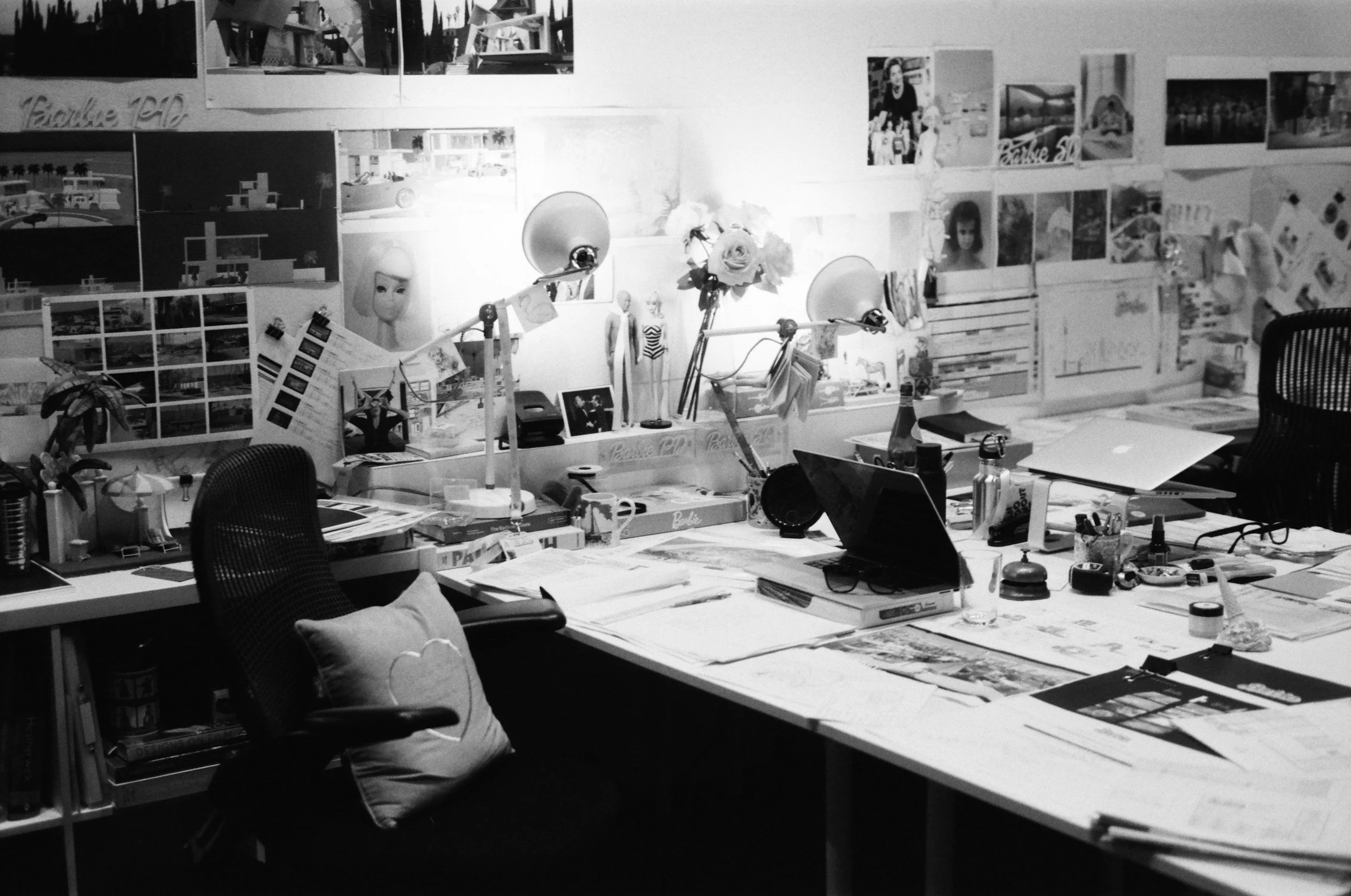
Your portfolio is more than your finished work.
Creative universities often want to understand how you think, not just see polished outcomes.
Idea
Research
Experiment
Process
Develop
Outcome
Reflect
-
A strong portfolio isn't just a collection of your best looking work. Universities want to understand how you think, explore ideas and develop them into outcomes.
Your portfolio might include finished projects alongside research, sketches, experiments, development work, mistakes and reflections. What matters will depend on the course you're applying to.
-
There's no magic number. Portfolio requirements vary between universities, courses and disciplines. Some will specify exactly what they want, while others leave it much more open.
Rather than trying to fill as many pages as possible, focus on showing a smaller selection of projects with enough depth to demonstrate your ideas, process and development.
-
The finished piece is only part of the story. A polished outcome can show what you're capable of making. Your process shows universities how you got there.
Include the thinking behind your work: early ideas, research, sketches, experiments, material tests, iterations, changes in direction and even things that didn't work.
-
Make your work easy to follow. Use clear sequencing, consistent layouts and short annotations where needed. Give strong work room to breathe and avoid overcrowding pages.
Your presentation should support the work, not compete with it. Always check each university’s format and submission requirements.
Finding the Right University
Don't choose the university before you understand the course.
Two degrees with almost identical names can offer completely different experiences
When Rang researches universities, we look beyond the overall ranking:
Course Content
Teaching Style
Facilities
Faculty
Location
Portfolio Requirements
Cost
Career Opportunities
Student Fit